Invertebrate Tracks & Sign


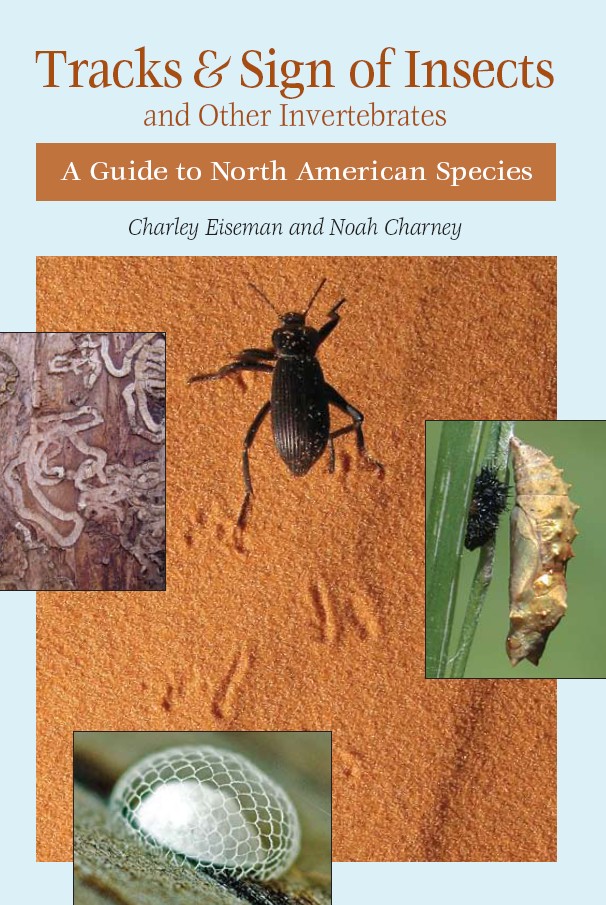
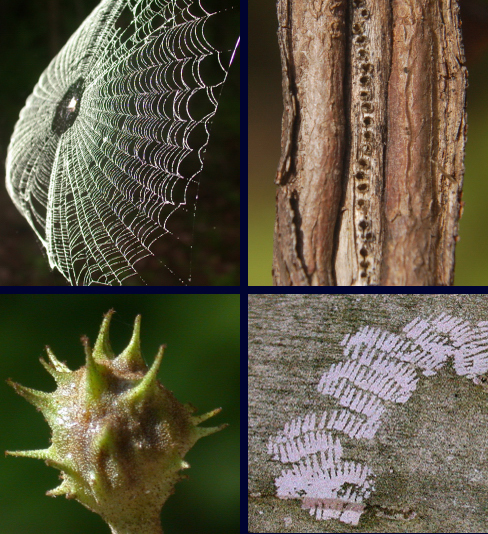
This is a book that I have always wished existed, and I'm excited to have the opportunity to create it--a guide to all those mystery objects you come across that aren't explained in any field guides. Invertebrate Tracks & Sign will be published in early 2010 by Stackpole, publisher of Mark Elbroch's Bird Tracks & Sign and Mammal Tracks & Sign. This photograph-filled book will cover North American insects, spiders, millipedes, crustaceans, gastropods, worms, and their relatives, and the following types of sign (the links are to photos of signs I'm looking for help identifying):

•   Tracks & trails
•   Burrows
•   Galleries in wood
•   Feeding sign on vegetation, including leaf mines
•   Galls
•   Frass
•   Nests
•   Webs (spider and otherwise)
•   Eggs, egg cases, & egg sacs
•   Exuviae
•   Larval cases
•   Pupae, pupal chambers, & cocoons
•   Signs of parasitism & predation

This summer I will be traveling around the U.S. collecting photos and observations for the book, but obviously I won't be able to do it all myself. Below is a list of some high priorities; I will revise and refine it periodically. Feel free to make suggestions of other things to include, if you think I'm missing something. If you are interested in contributing photos or helping in any other way, please email me at ceiseman(AT)gmail(DOT)com. All photos that are not mine will be credited in the photos' captions. Note that I need to have all the photos together by early 2009.

•   Tracks of horseshoe crab, sand crab, and assorted desert arachnids
•   Distinctive wood borings of known species/families
•   Leaves rolled by leaf-rolling cricket and leaf-rolling weevil
•   Mud nests of known wasps and bees (other than Trypoxylon politum and Sceliphron caementarium)
•   Any spider webs that are representative of a family or unique to a species/genus--these are hard to get good photos of, even if they are easy to find
•   Distinctive egg sacs and egg cases of known spider and insect taxa. Priorities include Argiope spp., hydrophilids, dobsonfly, and the mud cells made by certain carabids (Brachinus, Galeritula, Chlaenius, Pterostichus, Craspedonotus, Carabus, Calosoma)
•   Eggs of chrysopids, reduviids, pentatomids, coreids, and any distinctive aquatic eggs
•   Caddisfly cases representative of families (Helicopsychidae and Glossosomatidae would be especially nice)
•   Whirligig pupal chamber
•   Trapdoor spider burrows; examples of wafer, cork, and folding doors would be ideal
•   Purseweb spider tubes
•   Signs of Strepsiptera and dryinids
•   Cicada egglaying scars; Monochamus egg niche
•   Bark stripping by European hornet
•   Mass of Atherix corpses and eggs
•   Distinctive galls and leaf mines of known taxa

Back to homepage

All images on this web site © 2008 by Charley Eiseman